
Holy Trinity Church: A Historic Gem in Sri Lanka's Hill Country
June 03, 2025

I spent about 45 minutes exploring Holy Trinity Church, fascinated by its stunning stained glass windows and the quiet connection to Nuwara Eliya's colonial history. The church is easily accessible from the town center, with the Grand Hotel and nearby tea plantations making for a perfect half-day cultural exploration.
Nestled in Sri Lanka's misty hill country, Holy Trinity Church stands as a silent storyteller of British colonial life. Discover the unexpected cultural crossroads where Anglican architecture meets Sri Lankan landscape in one of the most unexpected historical gems of Nuwara Eliya.
Need-to-Know Info Before Visiting Holy Trinity Church
5+
images
Holy Trinity Church Address
Grand Hotel Road, Nuwara Eliya, Central Province, Sri Lanka
Holy Trinity Church Opening Hours
- 🕒 Monday-Saturday: 9 AM - 5 PM
- 🕒 Sunday: 8 AM - 12 PM (Service Times)
- 🕒 Closed on Public Holidays
How to get to Holy Trinity Church
- 🚗 By car: Easily accessible from Nuwara Eliya town center
- 🚌 Public transport: Local tuk-tuks and buses stop nearby
- 🚕 Rideshare: Taxis and local transport apps available
What is Holy Trinity Church known for?
- British colonial-era Anglican church built in 1875
- Architectural blend of European design with local Sri Lankan elements
- Significant historical landmark representing British missionary presence
- Located in the scenic hill station of Nuwara Eliya
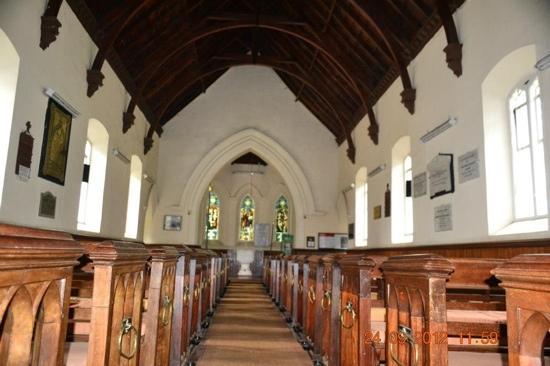
- Stained glass windows depicting biblical scenes
What is Holy Trinity Church in Nuwara Eliya?
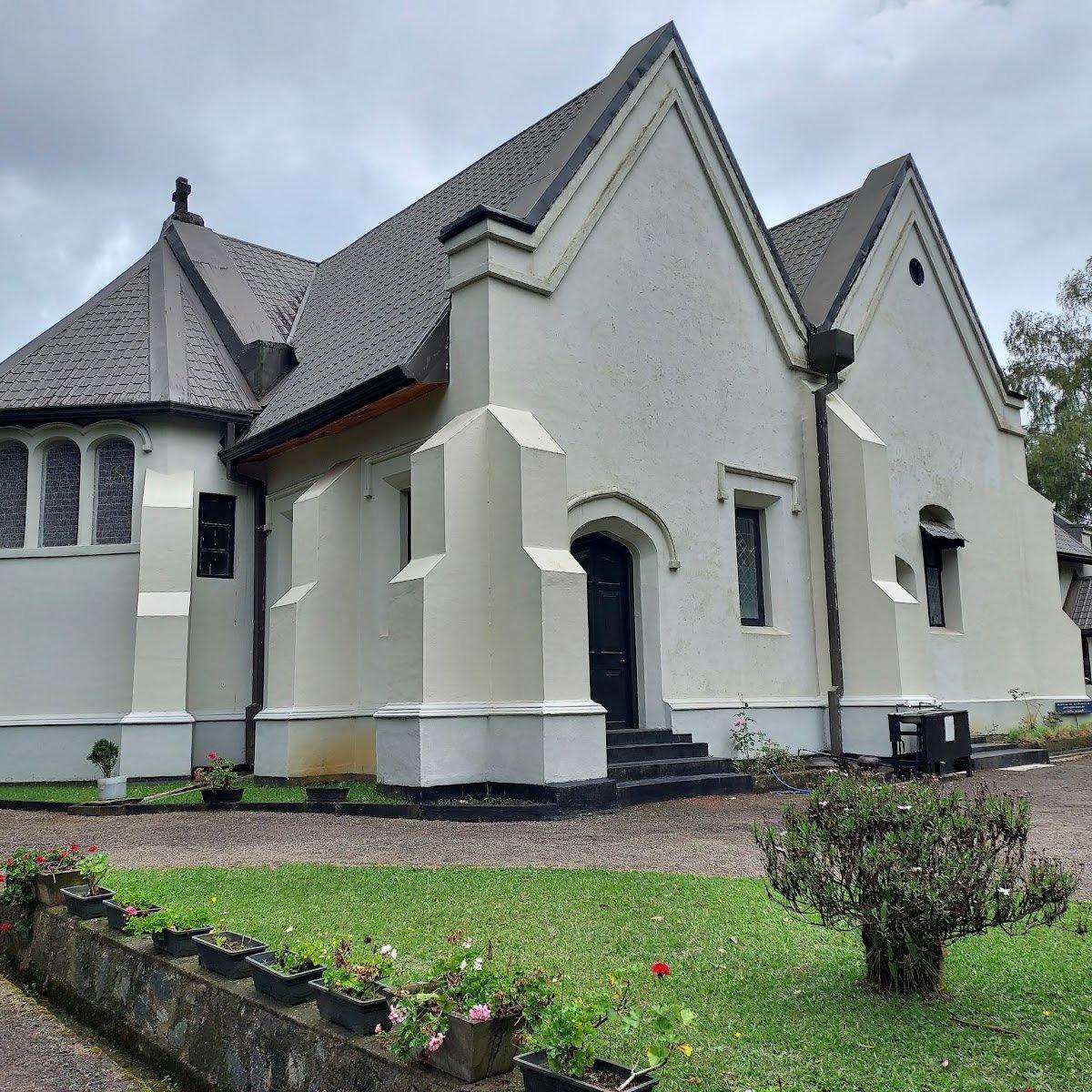
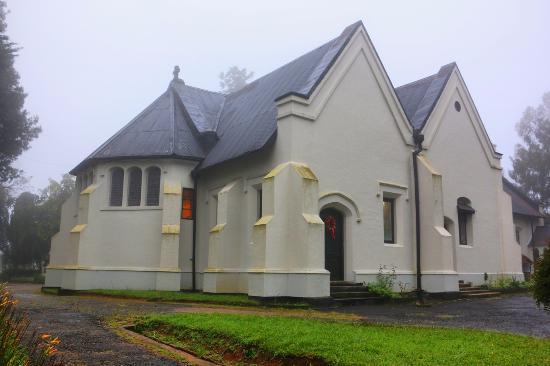
Holy Trinity Church stands as a quiet testament to Nuwara Eliya's colonial past, tucked away on Grand Hotel Road in the heart of Sri Lanka's hill country. Built in 1875 during the British colonial era, this Anglican church attracts history buffs and architecture enthusiasts who want to peek into Sri Lanka's complex cultural landscape. Travelers typically spend 30-45 minutes exploring the church, with most visits happening during morning hours when soft light streams through its remarkable stained glass windows. The church isn't a massive tourist magnet like some religious sites, but it draws steady interest from travelers exploring Nuwara Eliya's colonial heritage. Its stone architecture and carefully preserved interior offer a genuine glimpse into 19th-century missionary presence in the region. Photographers appreciate the church's clean lines and traditional Anglican design, which contrasts beautifully with the surrounding green tea plantations. Local congregants still attend services, making it a living historical landmark rather than just a museum piece. The church represents more than a building - it's a cultural bridge connecting Sri Lanka's colonial history with its contemporary identity.
Top things to do at Holy Trinity Church
- Explore the original stained glass windows from the 1875 British colonial period, featuring intricate biblical scenes and traditional European design
- Attend a traditional Anglican service to experience local worship practices and community atmosphere
- Photograph the church's unique stone architecture and contrast it with the surrounding green tea plantation landscape
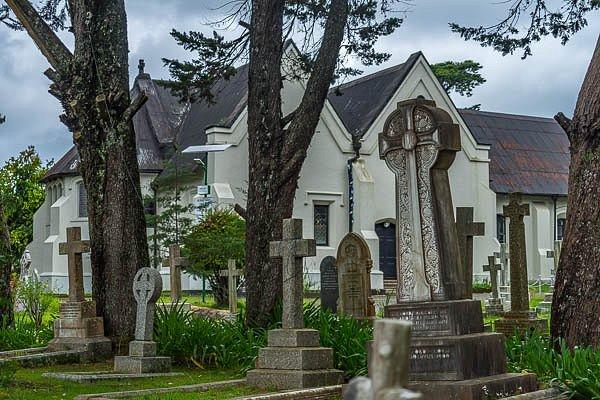
- Examine historical plaques and memorial stones that document early British missionary presence in Nuwara Eliya
- Visit the church's small vestry area to learn about local religious history and community heritage
- Listen to the church bells, which ring at specific times and offer a glimpse into local cultural traditions
Tickets and Entry
Holy Trinity Church typically offers free entry, with optional donation suggested for church maintenance. No advance booking required. Visitors can drop donations in collection boxes inside the church. Photography is permitted, but flash photography during services is discouraged.
Dress Code
As an active Anglican church, modest dress is expected. Visitors should wear clothing that covers shoulders and knees. No shorts, tank tops, or revealing attire. During services, more formal church attire is recommended. Scarves or shawls are helpful for covering shoulders if needed.
History of Holy Trinity Church
- 1875: Original construction during British colonial period in Nuwara Eliya
- 1880s: Established as primary Anglican worship site for British administrators and planters
- Early 1900s: Served as spiritual center for British expatriate community in hill country
- 1948: Continued operations after Sri Lankan independence
- 1980s: Underwent first major restoration to preserve original architectural elements
- 2000s: Recognized as historical landmark representing colonial architectural heritage
Cultural Significance
Holy Trinity Church represents more than a religious building - it's a living monument to Sri Lanka's complex colonial history. The church symbolizes the cultural exchange between British missionaries and local Sri Lankan communities. It remains an active place of worship while also serving as a historical landmark that connects past and present.
Tips for Visitors
- Visit during morning hours for best natural lighting and fewer crowds
- Bring a light jacket as Nuwara Eliya can be cool and misty
- Respect ongoing services and maintain quiet during worship times
- Check local event calendar for potential special services or community events
- Nearby tea plantations and colonial buildings make excellent complementary visits
- Carry small change for optional donations
What are some interesting facts about Holy Trinity Church?
- The church's original stained glass windows were imported directly from England, making them rare surviving examples of colonial-era ecclesiastical art in Sri Lanka
- During tea plantation seasons, church attendance would spike with British administrators and planters, turning the church into a social hub of Nuwara Eliya's colonial community
- The church's stone was locally sourced from nearby quarries, blending British architectural design with Sri Lankan construction materials, creating a unique structural hybrid